Best Time to Visit the Atherton Tablelands: A Season-by-Season Guide
Quick answer: The best time to visit the Atherton Tablelands is during the dry season, from May to October, when days are warm, skies are clear, and waterfalls are still flowing well from the wet season before them. June to August is the standout window for wildlife spotting and comfortable walking, while April and November offer a quieter, shoulder-season sweet spot with fewer crowds. And contrary to what a lot of visitors assume, even summer on the Tablelands is genuinely pleasant, not the sweltering, sticky heat people picture when they think of tropical Far North Queensland. This guide breaks down exactly what to expect, month by month, so you can pick the trip that suits you.
Myth: “Summer on the Tablelands Must Be Brutally Hot”
It’s one of the most common assumptions we hear from first-time visitors, and it’s understandable. Far North Queensland has a reputation for punishing tropical heat, and most people picture Cairns-style humidity when they think about visiting anywhere near it in summer.
The reality on the Tablelands is different. Because the region sits up on a highland plateau, 600 to 1,100 metres above the coast, summer here doesn’t bring the same oppressive heat and humidity people expect. Daytime temperatures in the warmer months typically sit in the high-20s to low-30s, noticeably cooler than Cairns or Port Douglas at the same time of year, and the elevation strips out a lot of the coastal humidity that makes tropical heat feel so heavy. Evenings cool down further still, so even on a warm December or January day, you’re not stuck sweltering after dark.
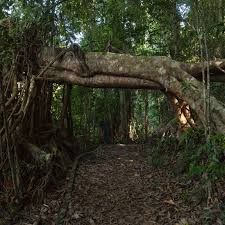
It’s not “hot and dry” either, the more accurate picture is warm, green, and often freshened by afternoon rain. Locals call it the “green season” for good reason: it’s the time of year the rainforest looks its absolute best, and the heat simply never reaches the intensity that visitors assume it will. If anything, summer on the Tablelands is one of the region’s most underrated seasons, not because it’s dry heat, and not because it’s the sticky wet-season heat of the coast, but because it’s genuinely comfortable in a way most people don’t expect until they’re standing in it.
The Short Version: Two Seasons, Not Four
Unlike most of Australia, the Atherton Tablelands doesn’t really run on four seasons. Sitting up on a highland plateau at 600–1,100 metres above Cairns and the coast, the region follows a tropical wet-and-dry pattern, but with noticeably cooler, fresher air than you’ll find at sea level. Locals sometimes call it “nature’s air conditioning,” and it’s a fair description, daytime temperatures here rarely climb as high as they do on the coast, and the humidity drops away almost entirely once you’re up on the plateau.
The two seasons break down like this:
- Dry season: May to October. Clear skies, cool mornings, warm days, and very little rain. September is typically the driest month of all.
- Wet season (locally called the “green season”): November to April. Warmer, more humid, with the heaviest rain falling between December and March.
Roads stay open and the property is accessible year-round, so there’s no wrong time to visit in the sense of “closed for the season.” The real question is what kind of experience you’re after.
Dry Season (May–October): The Classic Tablelands Experience
If you want the postcard version of the Tablelands, crisp mornings, blue skies, comfortable walking weather, this is it.
What to expect:
- Daytime highs around 23–26°C, cool nights down to 13–15°C (pack a jacket for the evenings, even though the days are warm)
- Long stretches of dry, sunny weather, especially July through September
- Clear night skies, ideal for stargazing from the property
- Waterfalls still running well early in the season, gradually easing as the months go on
Best for: Hiking, wildlife spotting, waterfall visits, outdoor dining, and anyone who wants reliable weather for a multi-day itinerary without needing a backup rainy-day plan.
One thing to know: By the tail end of the dry season (September–October), some of the smaller waterfalls will have slowed to a trickle. If seeing them at full flow matters to you, aim for June or July instead.
Wet Season (November–April): The Green Season
This is the season most first-time visitors overlook, and it’s a mistake, because it’s when the Tablelands genuinely earns its reputation as one of Queensland’s greenest, most dramatic landscapes.
What to expect:
- Warm, humid days with regular afternoon storms, mornings are often clear even when afternoons bring rain
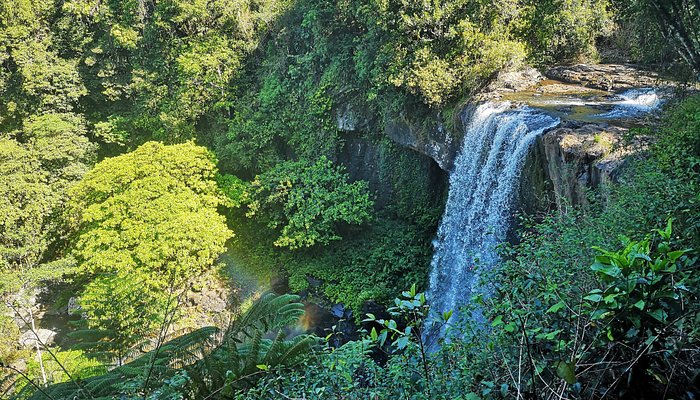
- Waterfalls at their most powerful and photogenic
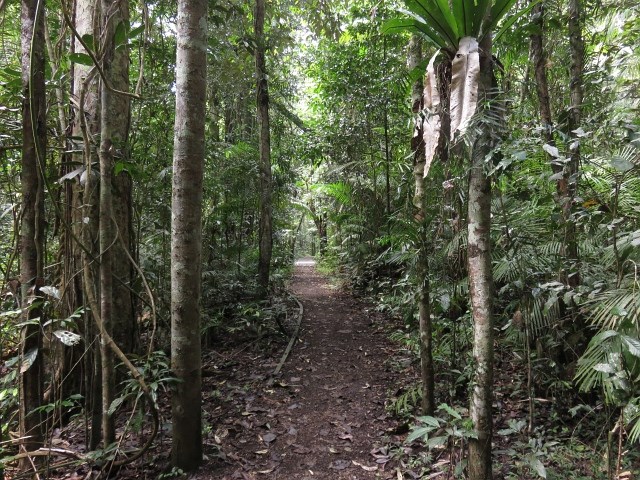
- Rainforest at its most lush, with wildlife and birdlife highly active
- Fewer visitors on the roads and at the major attractions
Best for: Photographers, waterfall chasers, and couples who don’t mind (or actively enjoy) the sound of rain on a roof and don’t want to fight crowds at the popular lookouts.
One thing to know: Storms typically build in the afternoon rather than running all day, so mornings are usually your best window for outdoor plans. It’s worth checking road conditions before day trips further afield during the heaviest weeks of the wet.
Shoulder Months Worth Knowing About
April is arguably the best-kept secret on the calendar. The wet season is winding down, waterfalls are still flowing strongly from the months before, and the punishing humidity of peak summer has broken. Trails have dried out enough to walk comfortably, but the landscape hasn’t lost its wet-season green yet.
November works the other way around: the dry season’s clear skies are just starting to give way to the first buildup of the wet, which means warmer days, dramatic cloud formations, and a landscape that’s beginning to green up again after a long dry stretch.
Both months tend to be quieter than the peak dry-season months of June to August, which makes them worth considering if you’d rather avoid the busiest weeks.
Best Time to Visit for Specific Interests
For wildlife spotting: Dawn and dusk are your best windows year-round, but activity tends to be highest through the cooler, drier months (June–September), when animals are more active during the day rather than sheltering from heat or heavy rain.
For waterfalls at their most powerful: Aim for the tail end of the wet season, March into April, when rain has been falling for months but the worst of the storms has passed.
For stargazing: Dry season nights (May–October) offer the clearest, driest skies, with almost no cloud cover to interrupt the view. Away from town lights, the night sky here is genuinely one of the property’s quiet highlights.
For a quiet, uncrowded stay: Shoulder months (April and November) or the heart of the wet season (January–February) will give you the most breathing room, with far fewer visitors on the roads and at the main attractions.
Frequently Asked Questions
What is the wettest month on the Atherton Tablelands? February is typically the wettest month, with the heaviest rainfall of the year and the highest humidity.
What is the driest month on the Atherton Tablelands? September is usually the driest month, with minimal rainfall and reliably clear skies.
Is the Atherton Tablelands worth visiting in the wet season? Yes. While afternoon storms are common between December and March, mornings are often clear, and the rainforest and waterfalls are at their most spectacular during this period. It’s a genuinely good option for visitors who don’t mind a bit of rain and want to avoid peak-season crowds.
Do I need a jacket on the Tablelands, even though it’s tropical Queensland? Yes, especially in the dry season. Because of the elevation, mornings and evenings can be genuinely cool (13–15°C) even when the days are warm, so layers are essential year-round.
Is it cooler on the Atherton Tablelands than in Cairns? Yes, noticeably. The Tablelands sit at a much higher elevation than the coast, so temperatures are typically several degrees cooler than Cairns, with far lower humidity.
Is summer on the Atherton Tablelands unbearably hot and humid? No. This is one of the most common misconceptions about the region. Thanks to its elevation, the Tablelands avoid the intense heat and humidity found on the coast in summer, with daytime temperatures typically in the high-20s to low-30s and noticeably lower humidity than Cairns or Port Douglas. It’s warm and green rather than punishingly hot.

Whenever You Visit, We’re Ready
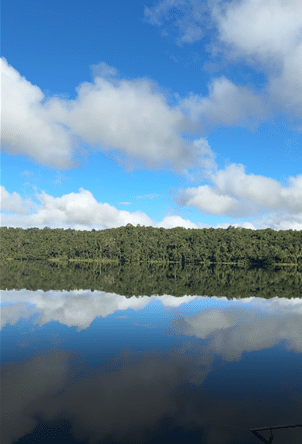
However you time your trip, dry-season clarity or wet-season drama, the Atherton Tablelands rewards visitors in every month of the year. At Hitching Rail Retreat, our heritage train carriages and glamping tent are open and ready whatever the forecast, with the region’s crater lakes, waterfalls, and wildlife all within easy reach of your stay.
Ready to Book your stay? Hitching Rail Retreat — boutique couples accommodation on the Atherton Tablelands.
hitchingrailretreat.com.au